Technology surrounds us and has become part of daily life — from our phones to our schoolwork and even how we get our news. But what happens when students can’t use their personal devices at school? That question has become reality in classrooms across Texas.
House Bill 1481, passed June 20, 2025, bans personal communication devices from schools statewide. While Katy Independent School District implemented a phone ban last year, this new law expands restrictions even further. Consequences for breaking the law range from device confiscation to suspension.
Teachers and students have mixed feelings about the policy. Nine out of 10 teachers polled support the law but describe its rollout as a bit uneven. Many say the absence of phones has helped reduce distractions and increase personal connection.
“It’s a useful law and has made my students more engaged,” said forensics and biology teacher Mr. Volney. “I feel like I know the kids I’m teaching better because I can have actual conversations with them.”
Others disagree.
“It feels like it’s taking away from the learning experience,” said psychology and sociology teacher Mrs. Davies. “We teach proper behaviors, not just math and science.”
Students, however, are mostly opposed. Nine out of 10 polled reported inconveniences related to grades, music and scheduling. Senior Taylor Watson said the law unfairly punishes responsible phone users.
“We should be penalizing those who actually use their phones in class,” Watson said, “not the ones who are just checking the time or responding to a quick message from a parent.”
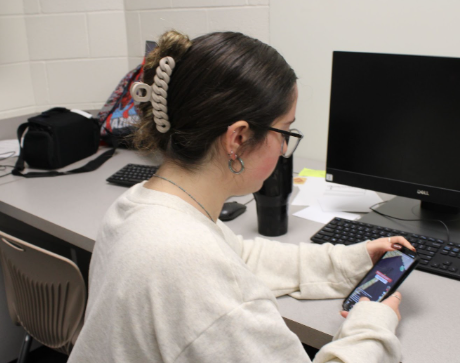
Many students said adjusting to the new policy has been difficult after years of using phones at school. QR codes are harder to access, communication with parents is slower, and collaboration among peers has become more complicated.
Some classes have had to rethink their daily routines. Publication students struggle to record interviews, take quick photos for assignments or post to school-related social media accounts during the day. Despite those challenges, some teachers have noticed a positive shift in student behavior.
“Students are talking more, reading during lunch and spending free time on schoolwork instead of scrolling,” said Davies.
What’s Next?
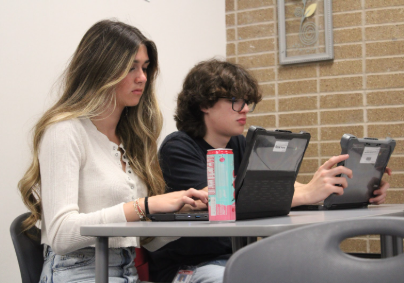
There is little chance that House Bill 1481 will be reversed anytime soon. For now, both students and teachers are using creativity to adapt — from tiny microphones connected to Chromebooks to experimenting with new ways to record and share content.
For now, schools may simply be adjusting to a new kind of normal — one where the focus is back on face-to-face communication.